
You ship a mobile MVP in 21 days by locking one core user problem, cutting features to the minimum that validates it, then running a focused design-build-test-launch sprint.
Most startups never launch.
Not because the idea is bad. Not because the market is too competitive. Not because they lack funding.
They fail because they spend months building features nobody actually wants.
Meanwhile, smart founders do the opposite. They launch fast. Validate quickly. Get real users early. And improve based on actual feedback.
That's exactly why the MVP approach has become the foundation of modern startup success.
So if you've been wondering how do you actually ship a mobile MVP in just 21 days? — this guide breaks down the exact process founders, startups, and product teams use to launch mobile apps fast without wasting months on unnecessary development.
In this guide, you'll learn:
- What a mobile MVP actually is
- The full 21-day sprint framework
- Which features belong in version one
- How to design, build, test, and launch on schedule
- The mistakes that kill MVP speed

What Is a Mobile MVP?
MVP stands for Minimum Viable Product — the simplest version of your mobile app that solves one clear problem for users.
Not a perfect app. Not a fully scaled platform. Not version 10.
Just the minimum needed to:
- Validate the idea
- Test demand
- Collect feedback
- Attract early users
- Prove the concept works
Companies like Airbnb, Uber, Instagram, and Dropbox all started with simple MVPs before becoming billion-dollar businesses.
Why Most Startups Waste Time Building Apps
Here's the mistake most founders make: they try to build everything at once.
Instead of launching a focused MVP, they spend months adding:
- Complex dashboards
- Advanced AI features
- Notifications and multiple user roles
- Animations and payment systems
- Social features and admin panels
The result? Development slows down. Costs increase. Launch gets delayed. And the product never reaches real users.
The faster you launch, the faster you learn.
The 21-Day MVP Framework
Shipping a mobile MVP in 21 days requires speed, focus, and ruthless prioritization.
| Phase | Days | Focus |
|---|---|---|
| Define the problem | 1–3 | Audience, pain point, value proposition |
| Prioritize features | 4–6 | Must-haves only |
| Design UI/UX | 7–9 | Wireframes and core flows |
| Development | 10–17 | Build core features fast |
| QA and fixes | 18–19 | Stability and critical bugs |
| Launch | 20–21 | Ship and collect feedback |
Days 1 to 3: Define the Core Problem
Before writing a single line of code, define one thing clearly: what problem does the app solve?
The biggest reason MVPs fail is lack of clarity. Good MVPs solve one painful problem extremely well. Bad MVPs try to solve everything.
During this phase:
- Define your target audience
- Identify the core pain point
- Research competitors
- Validate market demand
- Define the app's main value proposition
At the end of this stage, you should be able to explain your app in one sentence.
Example
"An app that helps freelancers track unpaid invoices."
Simple. Clear. Focused.
Days 4 to 6: Prioritize Only Must-Have Features
This is where founders usually overbuild.
Your MVP should only include features required for the app to function. Ask yourself: if we removed this feature, would the app still solve the problem? If yes, remove it from version one.
A good MVP usually includes:
- Authentication
- Core functionality
- Basic profile setup
- Essential screens
- Minimal onboarding
Things you usually skip initially:
- Advanced analytics
- Complex settings
- Gamification
- Multiple integrations
- Fancy animations
- Enterprise features
Focus on speed over perfection.
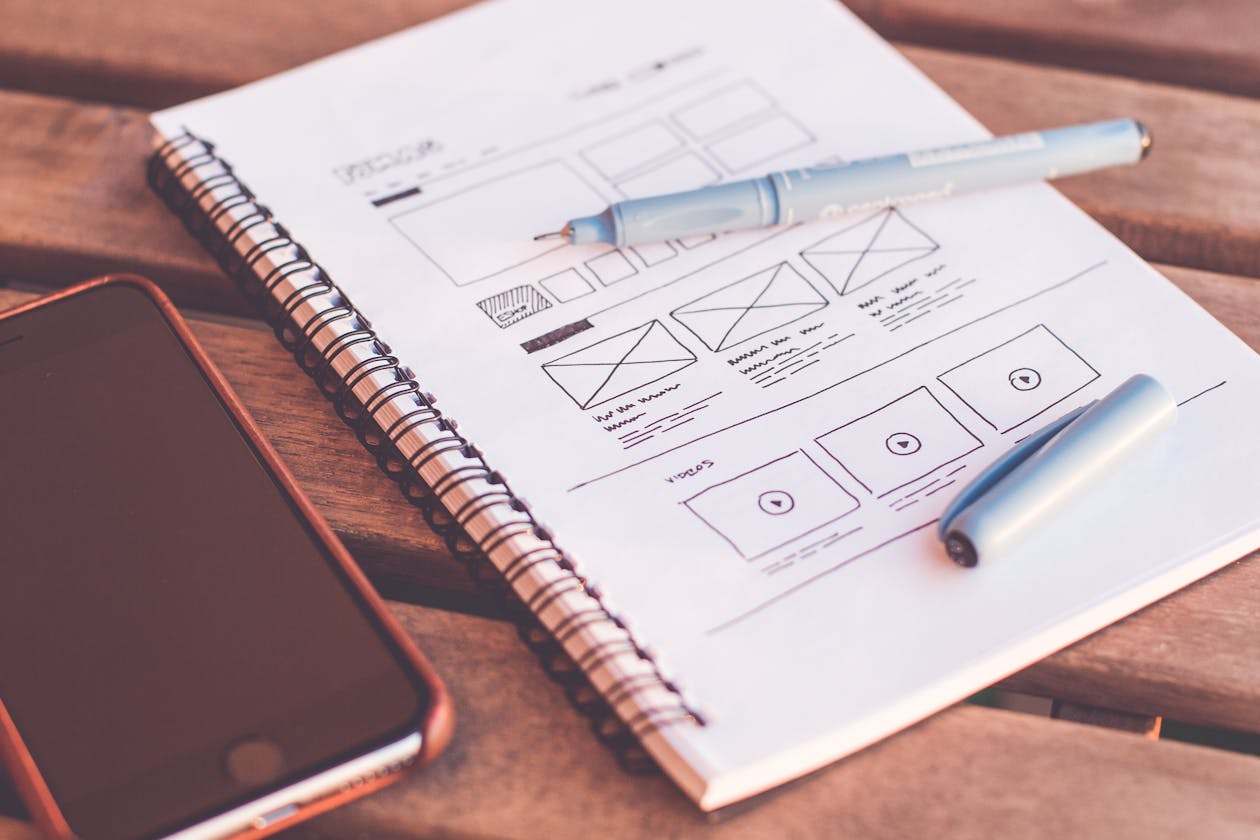
Days 7 to 9: Create Fast UI and UX Design
Many founders think MVP design should look cheap. That's a mistake.
Your MVP should still feel modern, intuitive, and trustworthy. Users judge apps within seconds. A clean UI increases retention, user trust, app engagement, and investor perception.
At this stage:
- Design wireframes
- Create the app flow
- Build a simple design system
- Keep screens minimal
- Prioritize usability
The goal is clarity, not complexity.
Days 10 to 17: Develop the MVP Fast
Now comes the execution phase.
The fastest MVP teams usually use cross-platform frameworks like Flutter or React Native — one codebase can launch on both iOS and Android, which dramatically reduces development time and cost.
During development:
- Build only core features
- Avoid unnecessary architecture complexity
- Use scalable backend solutions
- Reuse proven components
- Test continuously while building
The key is momentum. Don't aim for perfection. Aim for launch.

Days 18 to 19: QA Testing and Bug Fixes
No MVP launches perfectly. But it should launch stable.
During testing:
- Fix major bugs
- Test user flows
- Optimize loading speed
- Improve onboarding
- Test on multiple devices
- Ensure authentication works properly
Avoid endless polishing. Fix critical issues first.
Days 20 to 21: Launch the MVP
This is where most founders hesitate. They keep delaying because the app isn't perfect, they need more features, or the UI could be better.
But real growth comes after launch, not before it. Your goal is to get real user feedback as fast as possible.
Launch channels include:
- Product Hunt
- Reddit communities
- TikTok content
- Startup and founder communities
- Twitter/X
- Paid ads and influencer outreach
The faster users interact with the app, the faster the product improves.

What Makes a 21-Day MVP Successful?
The secret isn't working faster. It's reducing unnecessary work.
Successful MVPs focus on:
- One clear problem
- One target audience
- One core feature set
- Fast execution
- Real-world validation
That's it. Not perfection. Not scaling. Not enterprise infrastructure. Just validation.
Common Mistakes That Kill MVP Speed
Trying to build too many features
More features do not mean a better MVP. In fact, they usually make the product worse.
Changing scope mid-development
Every new idea adds delays. Stick to the original MVP plan.
Over-engineering
Many startups build infrastructure designed for millions of users before getting their first 100. Keep things simple.
Waiting for perfection
Perfection is the enemy of launch. The best startups iterate after release.
How Much Does a 21-Day MVP Cost?
Costs vary depending on complexity.
| MVP Type | Typical Cost Range |
|---|---|
| Simple apps | $5,000 – $15,000 |
| More advanced platforms | $15,000 – $50,000 |
Factors affecting cost include features, backend complexity, third-party integrations, design quality, and development team size.
Using cross-platform development significantly reduces costs compared to building separate native apps for iOS and Android.
Final Thoughts
Shipping a mobile MVP in 21 days is absolutely possible — but only if you stay focused on what actually matters.
The goal of an MVP is not to build the final product. The goal is to validate demand, launch quickly, learn from users, improve fast, and reduce wasted development time.
The startups that win are rarely the ones that launch perfectly. They're the ones that launch early, learn fast, and iterate consistently.
Because in modern startups, speed is often the biggest competitive advantage.
Need help shipping your MVP on a real timeline? Tovosolutions builds iOS and Android apps in as little as 3 weeks — from idea to App Store launch.